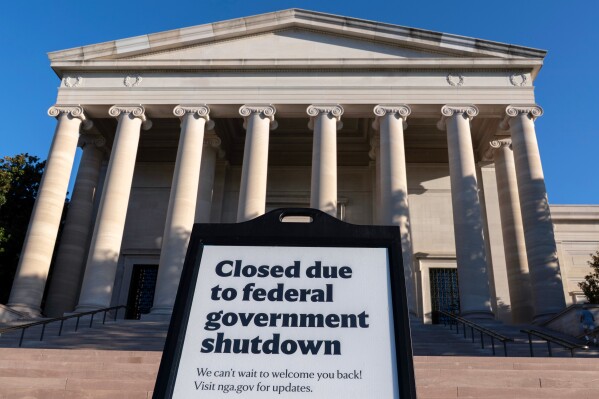
In recent headlines, there has been much concern over a government shutdown. For many, it caused fear, chaos, and panic, while for others a minor inconvenience. No matter what happened, almost everyone was impacted. Now, its impact on society and our daily lives will forever be recorded in the history books as the longest government shutdown ever. But what really is a government shutdown, and what did it do?
What is a Government Shutdown?
To understand the government shutdown’s impact, we must understand what it is. A government shutdown occurs when the government loses its funding. Congress has to pass an appropriation bill, which is a fancy word for a spending bill allowing the government to fund its services, once a year, from September 30th to October 1st. The amount of time the bill lasts is called a fiscal year. If Congress doesn’t pass a bill funding the government at the end of the fiscal year, the government can’t fund any government operations or government jobs. These results are leaving many people working without pay or without a job at all. Mr. Hendrix, a civics teacher at JMS, describes it as a “lack of cooperation.” If Congress can’t agree, the chaos of a government shutdown ensues.
Government shutdowns aren’t a huge novelty, but they aren’t a regular occurrence either. There have been 15 government shutdowns in the past 45 years. The first one started in 1980. Most of the shutdowns that have happened in history only lasted a couple of days and have been taken care of quickly. The second-longest shutdown happened in 2018 and lasted 35 days. Although this most recent one was a little different. It was the longest government shutdown in history. About a week longer than the previous. It was 43 days of chaos and panic.
What was the Impact?

(ERS.USDA.gov)
The length of this government shutdown broke historical records. In its length, many people faced financial troubles and lost the ability to access services such as food stamps. Air traffic controllers, TSA agents, and many more missed paychecks because the government couldn’t fund it. However, some government workers, such as air traffic controllers, were required to continue working because their job is considered essential to human life and safety. It made one of the most stressful jobs feel like volunteer work.
Many services we take for granted are also funded by the government. Benefits like SNAP (Supplemental Nutrition Assistance Program), a service that helps families afford food, faced delays during the shutdown. It is still funded because it is essential to many people’s lives, but the whole process for the funding can be delayed. Medicare, Social Security and much more also continued to run, but the workers in those federal agencies didn’t get paychecks during the shutdown. Many people had to face unpaid work, but also had to manage with the delayed SNAP benefits they needed.
Even though many people don’t have any association with government services or government jobs, everyone was still impacted. When traveling during the shutdown, you might’ve noticed longer security lines. Since the TSA agents weren’t getting paid, many didn’t show up to work, making air travel a nightmare. National Park rangers were also not getting paid during the shutdown. Trips to these national parks or museums would be impossible because of their limited staff. Some even had to close due to the lack of workers showing up. Ms Gordon, a civics teacher, explains that it can even affect businesses small and large. Those who don’t get paid, called a furlough, don’t want to spend the money they don’t have. Now businesses “may not be getting our money,” causing those who rely on their businesses for money to end up in financial trouble too.
Is The Shutdown Really Over?
Congress passed a bill on November 12, 2025, officially ending the 43-day-long government shutdown. However, the bill is only in effect until January 30, 2026. At the time of this article, Congress has about 2 months to figure out another bill that will last until September 30th to avoid going into another government shutdown. Mr. Hendrix hopes that “we learn from it” so another long shutdown doesn’t occur. Although it seems we have ample time to figure it out, it is a lot harder to get 60 votes of approval in the Senate and 51% approval in the House of Representatives than you might think. Ms. Gordon believes it is extremely important to “communicate this information” to her students, so they truly understand the impact of this event. Now that this last event is finally over, everyone is waiting to see if we will be back in a shutdown or narrowly escape another.