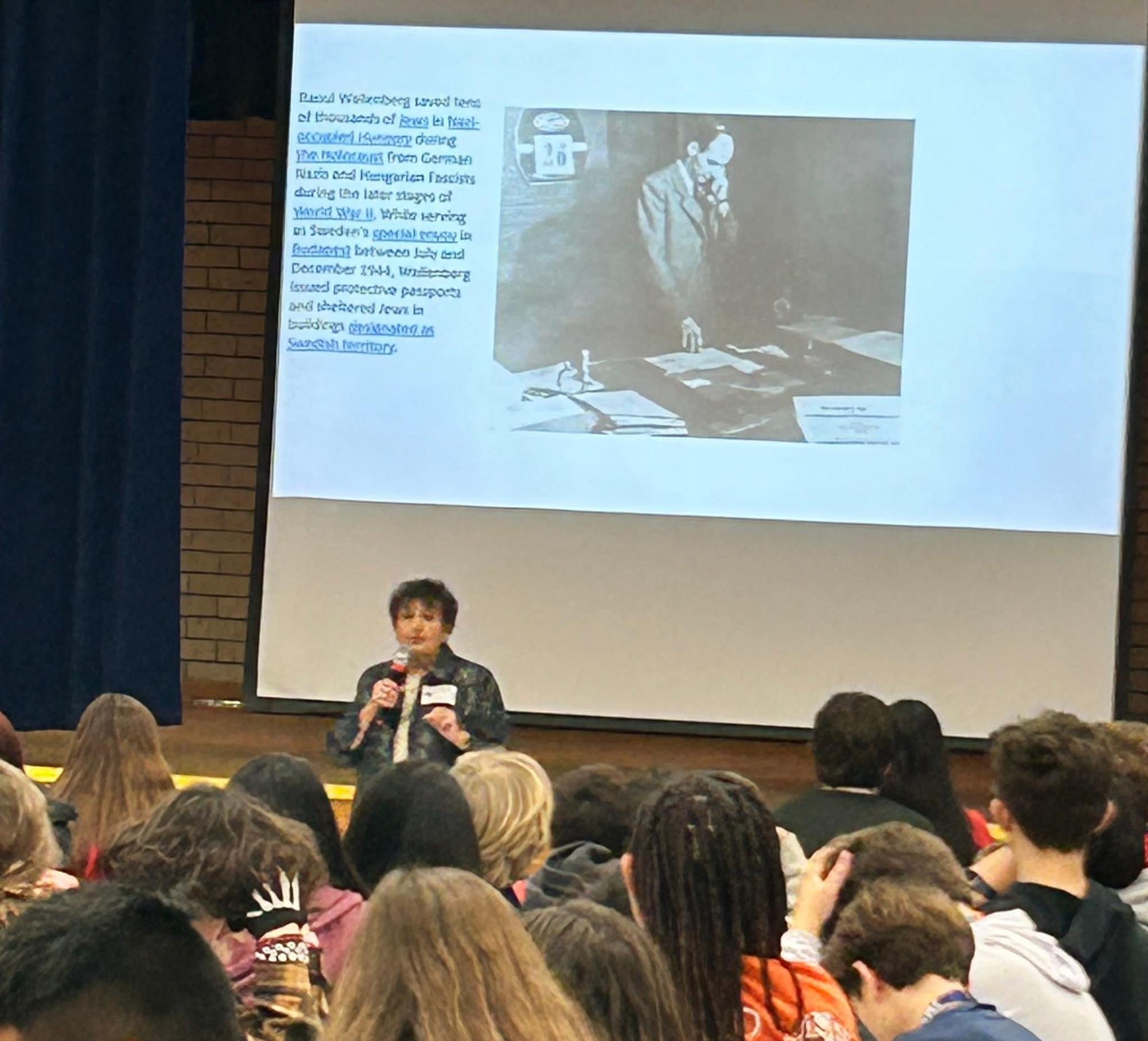
On January 8th, Holocaust survivor Mary Eckstein came to our school to inspire the students and tell us about her story.
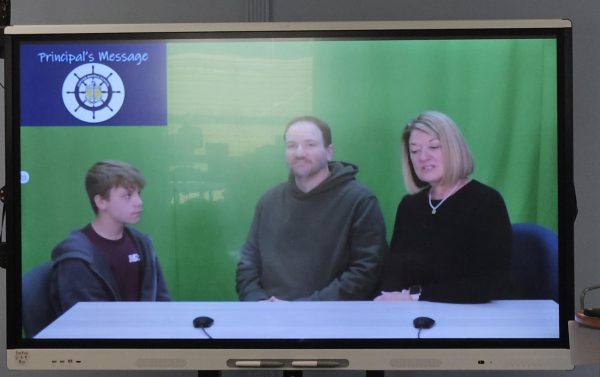
(Ms. Rutter)
Presentation
Mr. Podradchik and Ms. Hastey worked together to have Mary come and share her story. Mr. Podradchik, the 8th grade language arts chair (or leader) says, “When I saw that it was possible to have a Holocaust survivor visit, I reached out to the person in charge of that at the district.” Mr. Podradchik felt it was his honor and privilege to organize the presentation for students. The ELA teachers prepared the 8th graders for the presentation by covering the history of the Holocaust, as well as reading text about it, specifically The Diary of Anne Frank play.
Mary’s Message
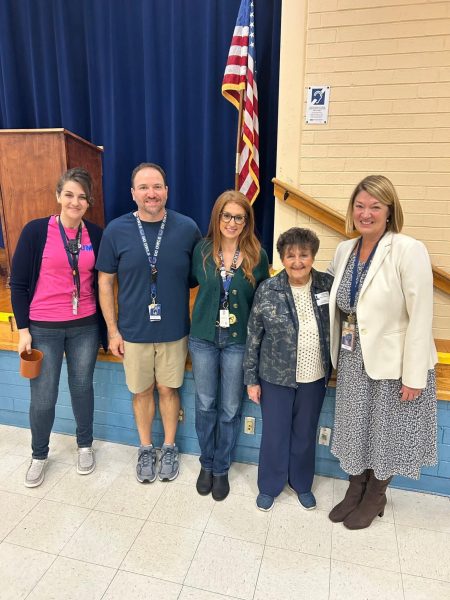
January 27th was National Holocaust Remembrance Day, and I interviewed Mr. Podradchik and Ms. Hastey about Mary’s presentation. After asking them, it was clear there was one main message that came from the presentation, and it was Mary’s. All she wants is for the students to, “remember her. Remember the life story she shared. When they have children of their own, tell them of this incredible opportunity that they had, to listen to an actual Holocaust survivor. Tell them to make sure they strive to never let something like this happen again.” says Mr. Prodradchik.
(Mr. Podradchik)
Her Story
Mary was born in Budapest, Hungary on May 14th, 1936. She first experienced discrimination towards Jewish people in second grade. She was required to wear the Star of David, which represents Jewish identity, faith, and cultural heritage, but during the Holocaust, it was used to isolate Jewish people from other citizens. At the same time, Hungary was very dangerous, “A Hungarian Nazi party called the Arrow Cross Party followed the German pattern. They were very dangerous, and if most of the men who were part of the Arrow Cross Party didn’t like the way you looked, you were lucky if you only got a couple of slaps.” Mary explained. She also noted, “In 1942, Hungarian Jewish men were compelled to go to forced labor. They were helping the war effort. Some were taken to the front to test the minefields, and of course they didn’t return. My father was also compelled to go. And after 1942, we really didn’t know where he was.”
When Germany invaded Hungary, that’s when her story really started. “March 19, 1944, when the Germans came to Hungary, immediately the deportations began.” In October, the Arrow Cross party took power over Hungary. They declared that all the Jews had to go into the Budapest ghetto, which was an overcrowded place. “There was a lot of sickness, not enough food.” Mary explained. She was able to go into a safe house with her mother’s help, but they were later captured when trying to get on a bus. Mary and her mother had been taken to a brick factory. About a week in the factory, and an officer had saved them, “every morning [the officer] would come and escort us to another shed. Later on in the day we would find out the shed we were at the day before had been deported.” She and her mother were saved many other times, and she explained, “During the Holocaust there were episodes that happened to people that defy explanation, sound like it couldn’t be true, but they were.”
When Mary was liberated by Russians, her father came back and took them to a town. Mary and her parents traveled far to find out what happened to her family, and unfortunately none of them survived. In 1945, Mary and her mother moved back to Hungary after her father died, and she grew up there. She later moved to Florida and now tells her story to students to inspire them and keep her story through generations to come.